Key topics
Related public pages
If you need the product, API or operations page rather than only the article, start with these VPOS.am sections.
Why Instagram Direct becomes a sales channel
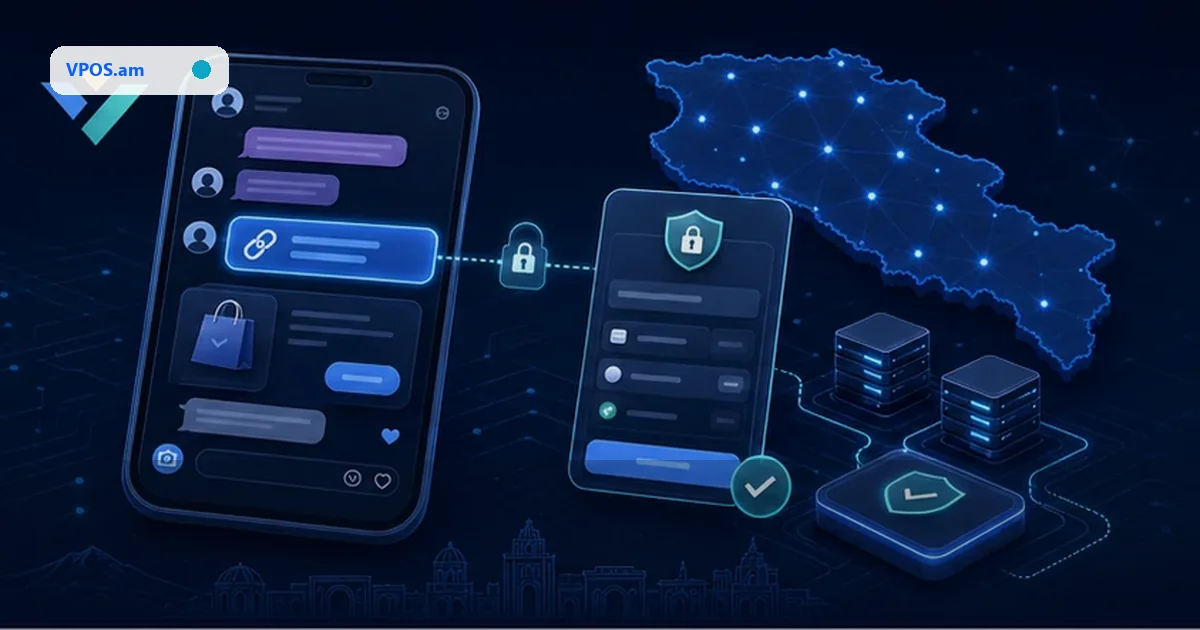
Customer asks in Direct, confirms product details and expects a simple payment link without a complex website.
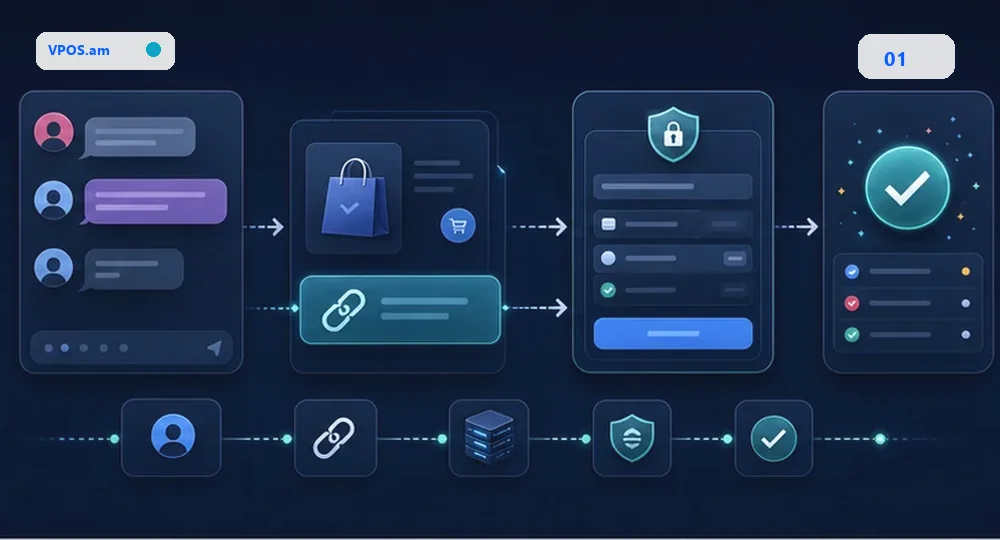
For Instagram shops, salons, delivery, local e-commerce, consultations and service businesses, sale often starts in chat rather than in website cart. Customer asks price, size, availability, delivery time or free slot and wants to pay quickly.
Instagram Direct is a communication channel, not the bank payment processor. The safer architecture is payment link plus protected checkout page: business sends the link, customer pays on checkout, and backend receives verified status by webhook or status lookup.
- Direct remains the conversation and link delivery channel;
- payment happens on protected checkout page;
- order is linked to order_id, customer id and amount;
- final status arrives in backend or payment journal.
How the payment link flow works
Manager or automation collects order context, creates link, sends it in Direct and receives status by webhook.
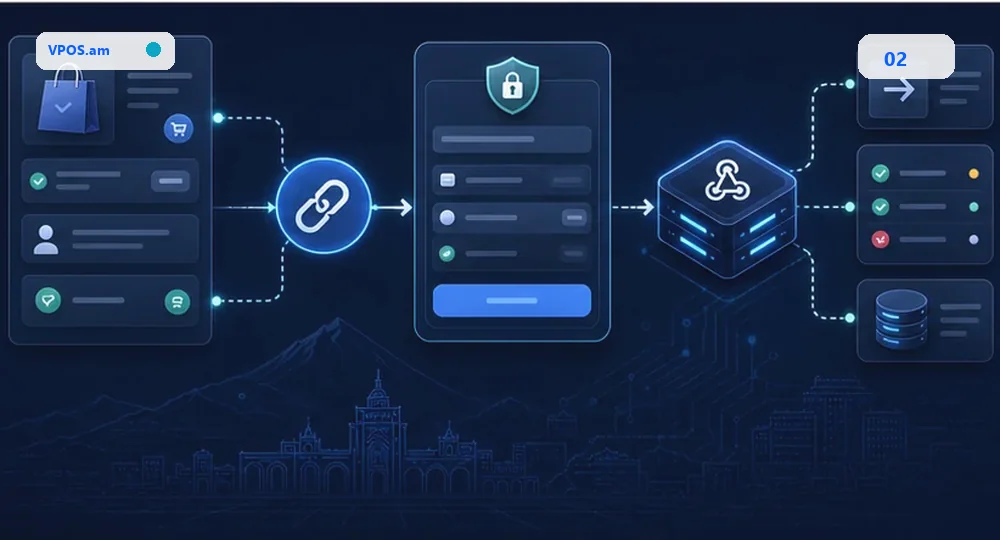
For MVP, a manager can send fixed payment links for products, services or tariffs. For unique orders, backend should create dynamic payment request through API with product, quantity, delivery option, amount, AMD currency, customer contact and internal order_id.
After payment, VPOS sends webhook to backend. Handler validates signature or trusted status lookup, amount, currency, order_id and idempotency key. Only then order moves to paid and CRM, spreadsheet, Bitrix24 or amoCRM receives normalized payment event.
- fixed links work for MVP and simple tariffs;
- API links connect payment with a unique order;
- checkout page gives customer protected payment step;
- webhook closes order after server-side verification;
- payment journal helps support resolve disputes.
MVP, statuses and CRM reconciliation
Social commerce needs paid, failed and expired states, idempotency, journal and CRM sync to avoid manual chaos.
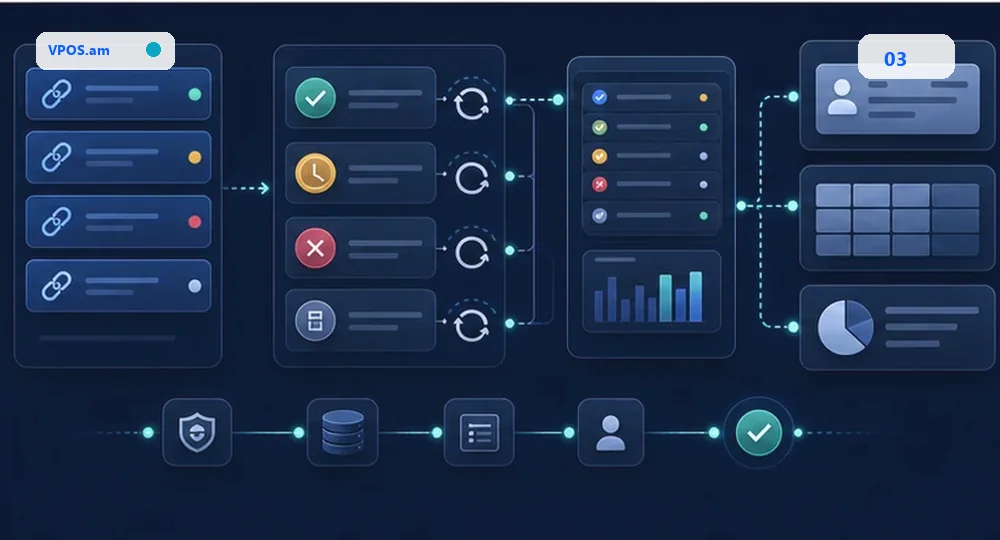
Start with several links, an order table and a strict rule: product, delivery or access is released only after verified payment. Store order_id, customer handle or internal customer_id, amount, currency, link, status, provider reference, createdAt and paidAt.
Fiscalization, acquiring bank, contracts, refunds, partial refunds and delivery terms depend on business and provider. They should be clarified before public launch, especially when Instagram is the main sales channel and CRM/ERP is used for accounting.
- idempotency for repeated webhooks and payment attempts;
- order_id and customer identifiers for Direct and CRM search;
- paid, failed, expired, pending and manual review statuses;
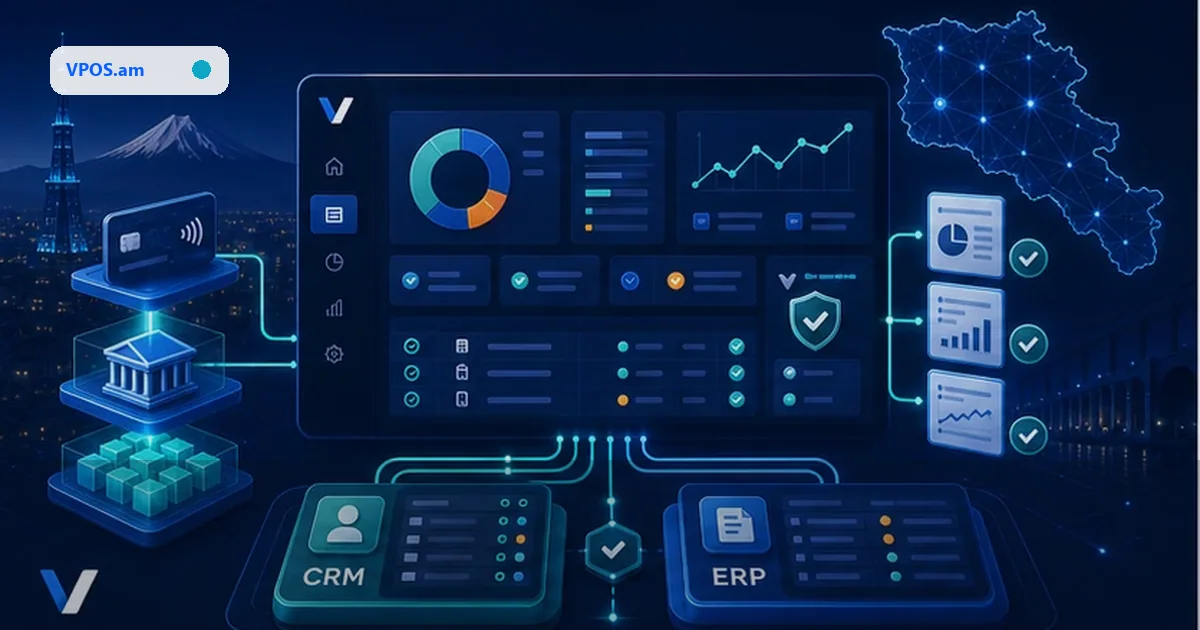
- CRM/table/Bitrix24/amoCRM sync after server-side status;
- separate review of fiscalization, refunds and provider requirements.
FAQ
Can payment be accepted directly in Instagram Direct?
Direct can be the communication channel and place where the link is sent, but bank payment should happen on a protected checkout page or supported provider flow.
How does business know that customer paid?
Backend should receive webhook or check payment status, match order_id, amount and currency, then update order and CRM. Screenshot alone is not reliable.
Can AMD online payment be accepted from Instagram sales?
Yes, when payment scenario, acquiring bank, provider and contractual setup support it. Exact conditions depend on business and provider.