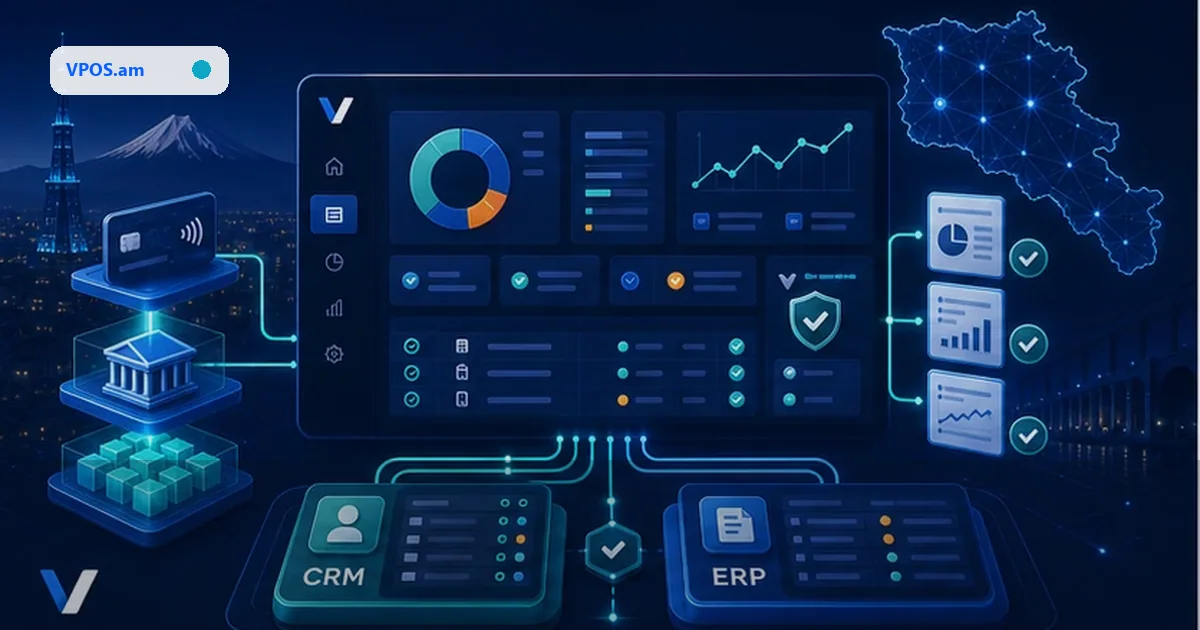

Key topics
Related public pages
If you need the product, API or operations page rather than only the article, start with these VPOS.am sections.
Evidence should be collected before dispute, not after
When customer opens dispute, it is late to search order id, delivery proof and webhook logs across systems.
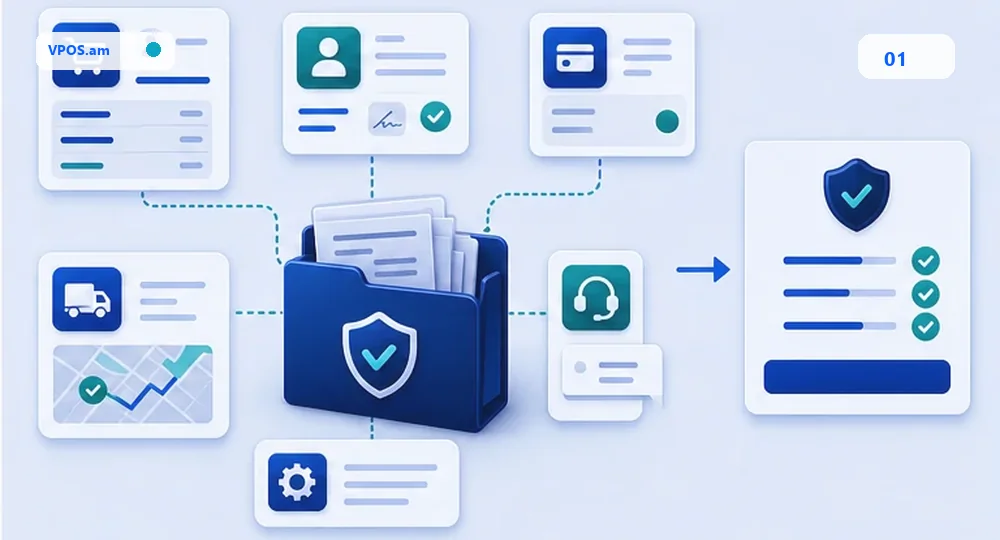
Chargeback or disputed payment usually appears some time after payment. If website, CRM, delivery and payment backend are not connected, the team starts collecting evidence manually: who ordered, what was paid, whether goods or service were delivered and whether refund exists.
It is better to store evidence packet in advance: order data, customer consent, IP/session context without excessive personal data, provider reference, paidAt, delivery proof, refund history and support notes. This does not guarantee winning dispute, but makes the process controlled.
- connect payment id with order id and CRM deal;
- store terms/refund policy version;
- save delivery or service proof;
- do not store full card details in internal systems.
Refund and chargeback should be separate branches
Voluntary refund and bank dispute have different reasons, deadlines, statuses and documents.
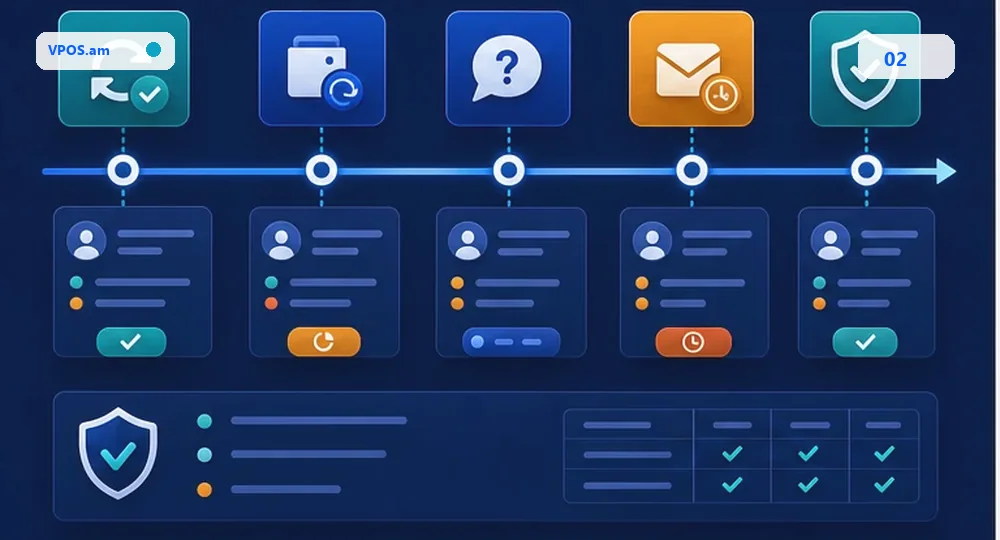
A common mistake is treating chargeback as ordinary refund. Refund is initiated by business or customer through support, while dispute comes through bank or provider and requires evidence. Mixing branches can lose response deadlines or close order incorrectly.
CRM and backend should keep separate statuses: refund_requested, refund_succeeded, dispute_opened, evidence_requested, evidence_submitted, dispute_won, dispute_lost. Support then understands which action is needed now.
- do not replace dispute with refunded status;
- store deadline for evidence response;
- connect dispute to original payment reference;
- log all manual notes and attachments.
Operator needs a short action list
Dispute workflow should show next action, owner and missing evidence, not only a long event log.
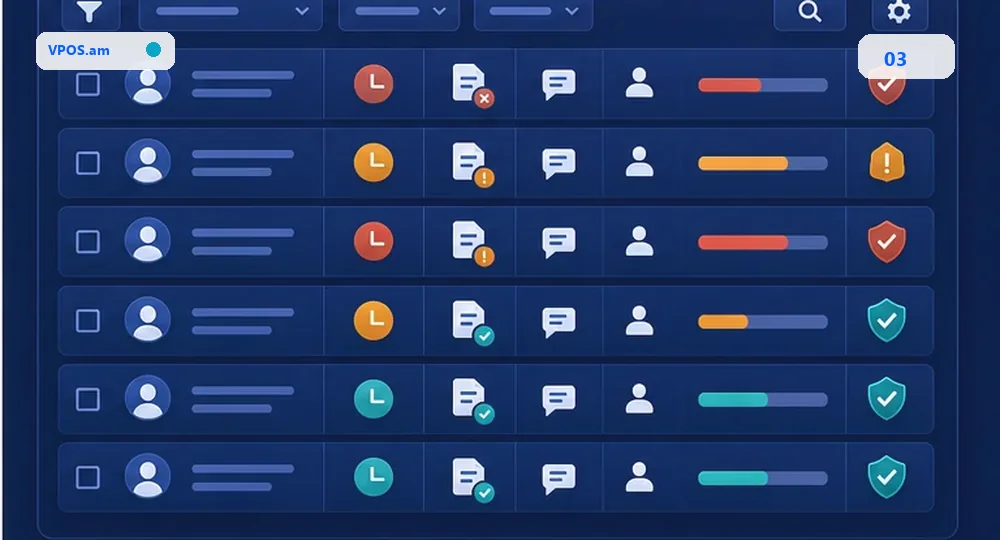
Even when backend stores all events, operator needs a practical list: which disputes are open, where deadline is close, where delivery proof is missing, where refund decision is needed and where evidence is already submitted.
A good dispute dashboard does not replace bank cabinet, but helps preserve context between CRM, website, warehouse, delivery and support. It reduces manual chaos and makes decisions reproducible.
- show owner and deadline;
- highlight missing evidence;
- show customer communication separately;
- reconcile final provider result with CRM/ERP.
FAQ
Can chargeback win be guaranteed?
No. Decision depends on bank, card network, provider and concrete case rules. Backend/CRM should collect correct evidence packet and prevent missed deadlines.
Should card data be stored as evidence?
No. Full card details should not be stored in website or CRM. Provider reference, order data, customer action, delivery proof, refund history and audit trail are usually enough.
What if refund already happened and dispute appears later?
Connect dispute with refund history and original payment, show exception to operator and verify provider/bank status. Do not silently close this case without audit.