

Key topics
Related public pages
If you need the product, API or operations page rather than only the article, start with these VPOS.am sections.
Payment should be connected with work order and vehicle
Amount without work order id, vehicle id and service lines does not explain which jobs can be closed.
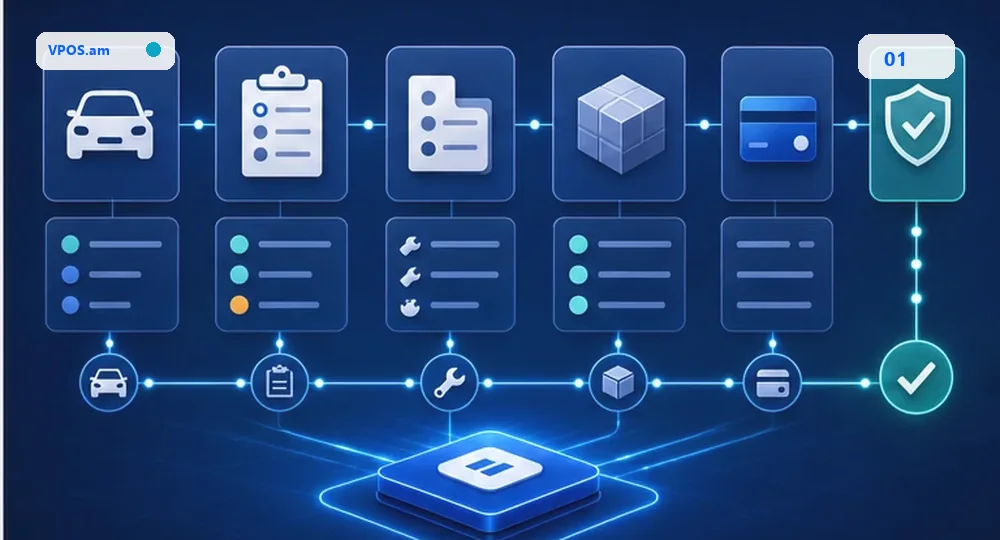
Auto service, car wash, tire service and detailing often sell not one product, but a set of jobs: diagnostics, wash, parts, add-on work, discount, warranty check or repeat visit. If payment link is created as simple amount, service advisor and accounting manually match payment with work order.
Practical model creates payment request from CRM/POS: customer id, vehicle id, work order id, service lines, parts reserve, amount, currency, due date and expiration are fixed before payment. Work status changes only after verified payment or explicit business approval.
- connect payment request with work order id;
- store vehicle id, customer id and service lines;
- do not close work order from payment screenshot;
- separate diagnostics, labor, parts and consumables.
Deposit, parts and add-on work need separate history
Parts prepayment, diagnostics and approved add-on work have different basis and refund path.
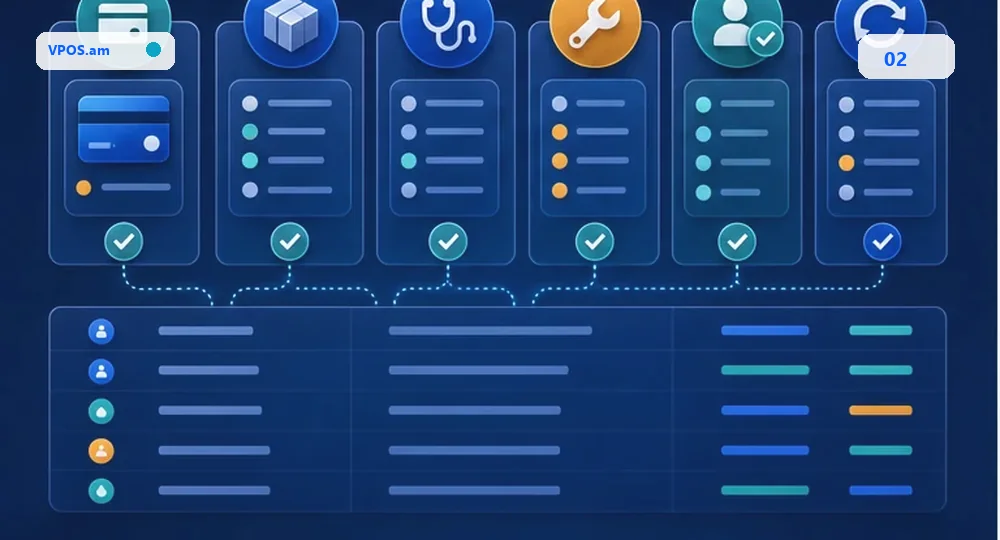
In auto service, amount often changes after diagnostics: new jobs appear, part price changes, customer rejects part of services or deposit should be returned. If everything is stored as one paid amount, support cannot explain what exactly was paid.
Backend should distinguish deposit paid, parts reserved, work approved, add-on requested, refund requested and manual review. Do not auto-charge or hold amount for add-on work without confirmed rule, customer approval and support path.
- parts reserve should not be just payment status;
- add-on work needs approval actor and timestamp;
- partial refund should not delete original payment;
- manual correction needs reason and audit trail.
Reconciliation should close shift, jobs and stock
Service team should see paid, partial, refunded, parts reserved, released and exceptions by every work order.
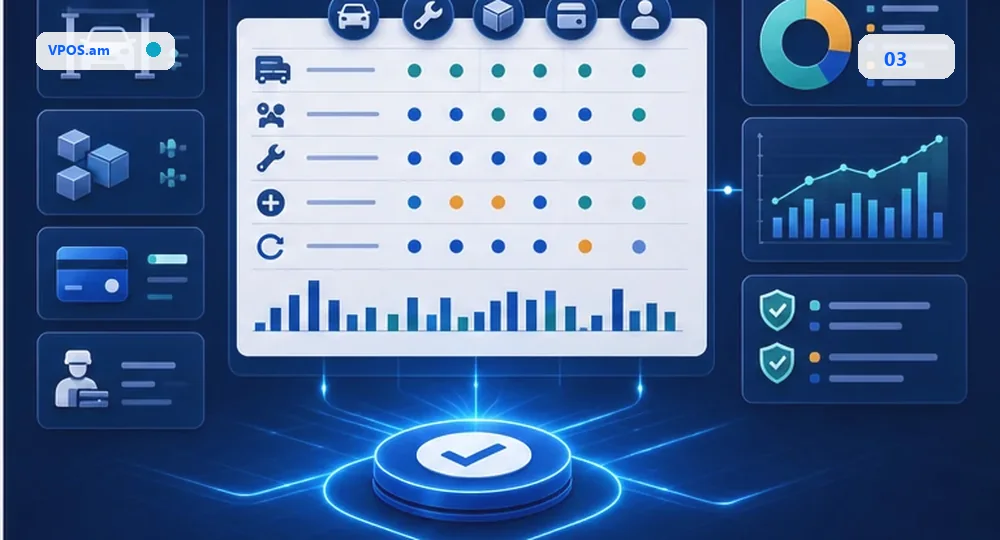
Auto service has several sources of truth at once: CRM/POS, parts stock, cash desk, provider report, bank statement and sometimes accounting system. If they are not connected by shared ids, shift closing becomes manual amount search.
Daily reconciliation compares work orders, service lines, parts stock, verified payments, refunds, cashier shift, provider references and accounting export. Service advisor sees which cars can be released, where additional payment is needed and which payment requires review.
- reconcile provider reference with work order id;
- see partial payment, refund and overpayment;
- do not release car from pending payment only;
- minimize customer personal data in payment log.
FAQ
Can payment link be sent for car repair?
Yes, if link is connected with work order id, vehicle id, service lines, amount, currency and expiration, and paid status is verified server-side.
How should parts prepayment be recorded?
Store deposit or prepayment as separate ledger event connected with parts reserve and work order. Refund should not delete original payment.
When can car be released to customer?
After verified payment and service business rules pass: job closure, extra payments, manager approval or another internal control.